
 Services
Vitreoretinal surgery
Vitreoretinal surgery is a complex surgical treatment of vitreous and retinal pathologies, rightly considered the pinnacle of ophthalmic surgery. It is performed to remove altered vitreous body and scar tissue from the vitreous cavity and from the retinal surface to relieve traction and detachment. To perform surgical interventions on the retina and vitreous body, the surgeon must possess truly extensive experience as well as advanced technical and material resources.
In what cases is vitreoretinal surgery performed?
- Vitreous haemorrhage;
- Diabetic retinopathy;
- Full and partial macular hole, epiretinal membrane;
- Vitreomacular traction syndrome;
- Consequences of ocular trauma;
- Complications after cataract treatment;
- Retinal detachment.
Patients have the right to undergo surgery both on a paid basis and under the compulsory social health insurance (MSHI) system, in a 24‑hour inpatient setting.
Treatment of retinal problems at the ASTANA VISION clinic
In recent years, the ophthalmologists of the ASTANA VISION centre have successfully implemented minimally invasive 25G and 27G technology using automated optical viewing systems, vitreoretinal dyes, endolasers, endoilluminators, and endotamponade agents (silicone oil, gases). In addition, we perform radial, sectoral, and circumferential episcleral (extrascleral) buckling.
Therefore, every patient can expect:
– Personalised service;
– Comprehensive diagnostics;
– Full support until recovery;
– Fair and affordable pricing;
– The possibility of instalment payment through partner banks.
Have questions? Our managers are ready to answer them in any format convenient for you: at the clinic, by phone, via chat or the «Feedback» form, as well as in mobile messengers and ASTANA VISION social media groups!
Book an appointment
Leave your details and we will definitely contact you!
Equipment


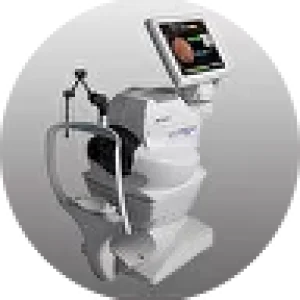
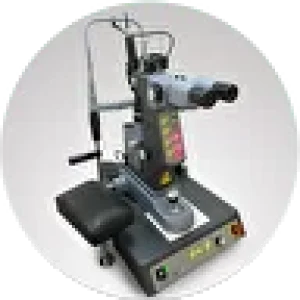



Vitreoretinal surgery
-
Vitreoretinal surgeries (the scope of surgical treatment is determined by the surgeon)from €1050
-
Extrascleral buckling€850
-
Vitreoretinal surgeries combined with cataract surgery (combined procedures on the lens, vitreous body, and retina)€1350
• Preoperative examination for a previously scheduled surgery is performed free of charge;
• The cost includes: preoperative preparation, the surgery itself, anesthesia, and single‑use consumables;
• Postoperative follow‑up within one month is free of charge.
Frequently Asked Questions About Vitreoretinal Surgery in Astana
What is vitreoretinal surgery?
It is a high‑tech branch of ophthalmic surgery that deals with the treatment of retinal and vitreous body diseases. It is considered one of the most complex operations in ophthalmology.
For which conditions is vitreoretinal surgery performed?
Retinal detachment, vitreous haemorrhage (haemophthalmos), diabetic retinopathy, macular hole, epiretinal membrane, vitreomacular traction syndrome, consequences of trauma, and complications after cataract surgery.
What modern technologies are used?
Minimally invasive 25G and 27G surgery, the Constellation Vision System (Alcon), vitreoretinal dyes, endolaser, endotamponade (gases, silicone oil), as well as extrascleral buckling.
Is vitreoretinal surgery painful?
The surgery is performed under general anaesthesia (in children) or local anaesthesia with sedation (in adults). The patient does not experience pain during the procedure.
How long does the surgery take?
From 30 minutes to 2 hours, depending on the complexity of the case. Most surgeries are outpatient or require a short hospital stay.
Do I need to stay in the hospital?
Outpatient treatment or a stay in a 24‑hour inpatient unit (including under MSHI) is possible. The surgeon decides based on the extent of the surgery.
How quickly does vision recover?
Vision begins to improve within the first days to weeks after surgery. The final outcome depends on the severity of the disease and may take up to 2–3 months to stabilise.
What are the risks of vitreoretinal surgery?
As with any complex surgery, risks exist, but thanks to modern equipment and the surgeons' experience, they are minimal. All risks are discussed with the patient before surgery.
Can the surgery be performed under compulsory social health insurance (MSHI)?
Yes. Patients are entitled to vitreoretinal surgeries both on a paid basis and free of charge under MSHI in a 24‑hour inpatient setting.
How much does vitreoretinal surgery cost in Astana?
Vitreoretinal surgeries – from 560,000 ₸.
Extrascleral buckling – 450,000 ₸.
Combined surgery (vitreoretinal + cataract) – 725,000 ₸.
The exact cost is determined by the surgeon after diagnostics.
Is the preoperative examination included in the cost?
Yes. Preoperative examination for a scheduled surgery is performed free of charge. Postoperative follow‑up within one month is also free.
Who performs the surgeries?
The surgeries are performed by Turganbayev Dastan Kairatovich, a vitreoretinal surgeon of the highest category (over 16 years of experience).
Is special preparation required before surgery?
A comprehensive diagnostic evaluation of the retina and vitreous body is required. The doctor will give individual preparation instructions before surgery.
When should I see a vitreoretinal surgeon urgently?
If you experience sudden vision loss, the appearance of a "veil," "flashes," "floaters," or a "curtain" in your field of vision – these may be signs of retinal detachment.